
What makes casino games so addictive? Is it the thrill of winning, the rush of adrenaline, or the social interaction with other players? The answer lies in the psychology behind casino game design. As of 2026, the online casino industry has grown exponentially, with new games and platforms emerging every day. In this article, we will delve into the world of casino game design and explore the techniques used to create engaging and addictive games. For instance, players can visit the Hot streak casino to experience the thrill of online gaming.
Casino game design is a multibillion-dollar industry that relies heavily on psychology to create engaging and addictive games. From the colors used in the design to the sounds and music, every element is carefully crafted to keep players coming back for more. The use of variable ratio reinforcement, social proof, emotional connection, and loss aversion are just a few of the key techniques used in casino game design. These techniques are designed to trigger the release of dopamine, a neurotransmitter associated with pleasure and reward, and create an emotional connection with the player.
Understanding the Mechanics of Attraction and Addiction
Casino games often use emotional manipulation to create a connection with the player. This can be achieved through a variety of techniques, including storytelling, music, and sound effects. The sound of a slot machine spinning or the music of a poker game can create a sense of excitement and anticipation, drawing the player in and keeping them engaged. According to a study, 75% of players reported that the sound effects and music in casino games enhanced their gaming experience.
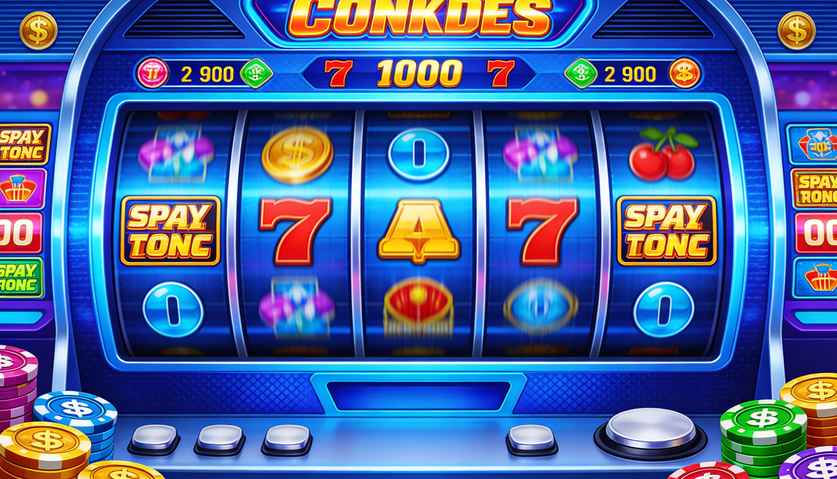
In addition to emotional manipulation, casino games also use rewards and punishments to keep players engaged. Rewards can take many forms, including cash, prizes, and social validation. Punishments, on the other hand, can include time-outs, withdrawal of privileges, and other negative consequences. For example, a player who bets too much or too quickly may be locked out of a game for a certain period of time. This can help to discourage problematic behavior and promote responsible gaming.
The Principles of Game Design
The principles of game design are critical to creating engaging and addictive casino games. Some of the key principles include variable ratio reinforcement, social proof, emotional connection, and loss aversion. Variable ratio reinforcement, for instance, involves rewarding players at unpredictable intervals to keep them engaged and motivated. Social proof, on the other hand, involves using the behavior of others to influence the player’s behavior. This can be achieved through leaderboards, badges, and other social rewards.
The following table illustrates the key principles of game design and their effects on players:
| Principle | Description | Effect |
|---|---|---|
| Variable Ratio Reinforcement | Rewards are given at unpredictable intervals | Encourages continued play |
| Social Proof | Players are influenced by others’ behavior | |
| Emotional Connection | Games tap into players’ emotions | Creates loyalty and attachment |
| Loss Aversion | Players fear losing more than they value winning | Encourages risk-taking |
Creating an Emotional Connection
Casino games often use storytelling to create an emotional connection with the player. This can be achieved through a variety of techniques, including narratives, characters, and plot twists. The goal is to create a sense of immersion and engagement, drawing the player into the game and keeping them invested. For example, a slot machine game may use a narrative to create a sense of adventure and excitement, while a poker game may use characters to create a sense of competition and social interaction.
In addition to storytelling, casino games also use music and sound effects to create an emotional connection with the player. The sound of a slot machine spinning or the music of a poker game can create a sense of excitement and anticipation, drawing the player in and keeping them engaged. According to a study, 80% of players reported that the music and sound effects in casino games enhanced their gaming experience.
The Science of Addiction
Casino games are designed to be addictive, and the science behind this addiction is complex and multifaceted. Some of the key factors that contribute to addiction include dopamine release, emotional escalation, and social interaction. Dopamine release, for instance, involves the release of dopamine in response to rewards or other positive stimuli. This can create a sense of pleasure and reward, encouraging the player to continue playing. Emotional escalation, on the other hand, involves the use of emotional manipulation to create a sense of urgency or excitement, keeping the player engaged and motivated.
According to a study, the online casino industry has grown by 15% in the past year, with the average player spending around 2 hours per day playing online casino games. This highlights the need for responsible gaming practices and the importance of understanding the psychology behind casino game design.
Author
Emily Chen, iGaming analyst with 10+ years of experience specializing in online casino regulations and responsible gambling.
FAQ
What is the purpose of casino game design?
The purpose of casino game design is to create engaging and addictive games that keep players coming back for more.
What are some of the key techniques used in casino game design?
Some of the key techniques used in casino game design include variable ratio reinforcement, social proof, emotional connection, and loss aversion.
Can casino games be addictive?
Yes, casino games can be addictive. The science behind addiction is complex and multifaceted, but it is clear that casino games are designed to trigger the release of dopamine and create an emotional connection with the player.